FISHING GUIDE · WJ2 PHILIPPINES
Online Fishing Games Philippines.
Aiming, ammo and cost per shot, explained.
This online fishing games Philippines guide explains how fish-shooting games work: how a shot is resolved, what target values and weapon levels mean, and how to control the cost per shot. It is written for Filipino adults aged 21 and over.
Alamin ang laro bago mag-aim.
Content updated:

01 / THE BASICS
What a fishing game actually is.
Fishing games — also called fish-shooting or arcade hunting games — are interactive casino-style games. You aim at moving targets, fire, and each shot costs a set amount. They feel more active than spinning reels because you choose when and where to shoot.
The outcome of each shot is decided by the game’s rules and a random number generator (RNG). Aiming affects which target you hit; it does not guarantee that a hit will pay, or how much it pays. Two players with the same accuracy can have completely different sessions.
Cost per shot is the number that matters most for your budget. Shots are deducted one at a time, so a fast-firing session can spend far more than a slow one — even with the same balance and the same targets.
Four things worth knowing first
- Cost per shot is your real bet amount, not the size of the fish on screen.
- Every target has a value defined in the game’s rules.
- Bigger targets are usually rarer — and a dry spell does not make one “due”.
- Aiming decides where a shot goes, not whether it pays.
Fishing titles come from third-party studios such as JILI, and availability can change. Check the WJ2 lobby for the games currently offered, and read the in-game rules before you fire.
Quick answer
Fishing games, also called fish-shooting games, are interactive casino-style games: you aim at moving targets, fire, and each shot costs a set amount. Target values, weapon levels and results follow the game's paytable and random number generator, so aiming and skill do not guarantee a payout.
- Cost per shot is the fastest way to track spending in a fishing game.
- Games run in a mobile browser with touch controls.
- Minimum deposit ₱100 via GCash or MAYA; for adults 21+.

02 / HOW IT WORKS
What happens when you fire.
Every fishing game follows a similar sequence, even when the artwork, weapons and creatures look different. The rules inside the game explain the version you are playing.
- Pick a room or bet level. Games group tables by stake, and the room usually sets the cost per shot. Changing rooms changes how quickly your balance is used.
- Aim and fire. You control the reticle and the trigger. Firing costs the displayed amount, whether or not the shot hits anything.
- The game resolves the hit. The game’s rules and RNG decide whether a target is caught and what it pays, if anything. Aiming affects where the shot goes, not the outcome of the resolution.
- Any payout follows the rules. Each creature or target has a value in the paytable, and special weapons or skills modify shots according to the game’s own rules.
Some games show combos, chains or “critical” hits. These are part of the game’s presentation and rules, not a streak that you can force by firing faster or switching targets.
03 / TARGETS
Small fish, big bosses.
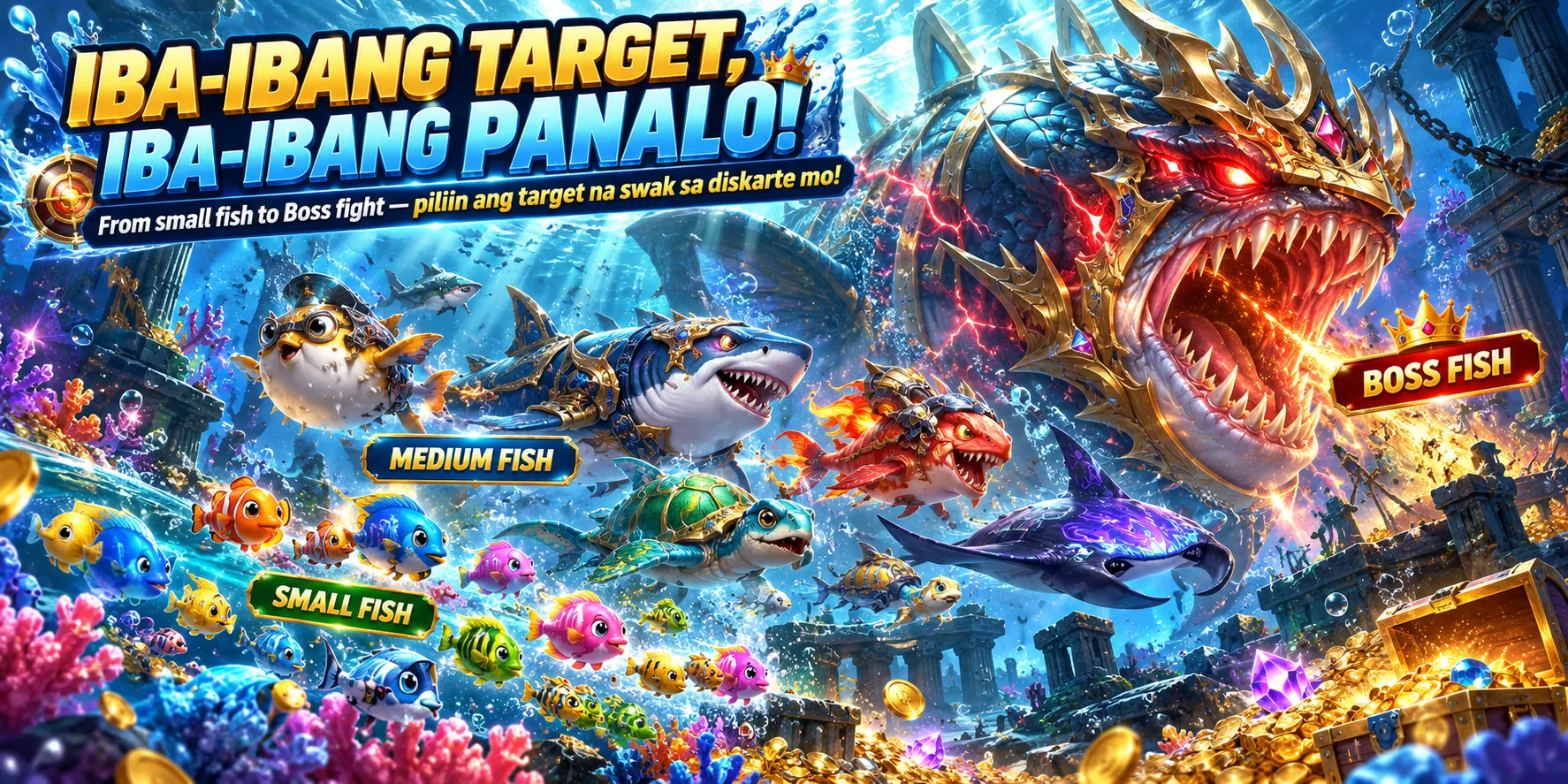
Most fishing games use a few tiers of targets. Small, fast creatures appear often and carry lower values. Medium targets sit in the middle. Bosses and special creatures are rarer and carry higher values in the paytable — but they can also take more shots, or require a stronger weapon, before a hit is resolved.
Values are defined by the game, not by the size of the artwork on your screen. Two games can show the same fish with different values, different costs per shot and different feature rules.
The practical point is simple: do not judge a target only by how big it looks. Cost per shot, the target’s value in the rules and how fast you fire all matter more than the picture.

04 / WEAPONS
Weapons, levels and cost per shot.
Many fishing games let you switch weapon power. A stronger weapon usually costs more per shot, so the trade-off is between catching targets faster and spending your balance faster. The right setting is the one that fits the budget you set before the session — not the one that looks strongest.
Special skills and items — bombs, nets, lasers, lock-on abilities — follow the game’s own rules. Some cost extra each time they are used, and the details are shown inside the game.
Auto-fire is convenient, but it keeps firing and spending until you stop it. Use it only with a fixed budget and a time limit in mind. Remember the basic math: cost per shot × shots fired = the amount spent on shots, whatever you catch.
05 / SKILL & CHANCE
Skill, chance and the RNG.
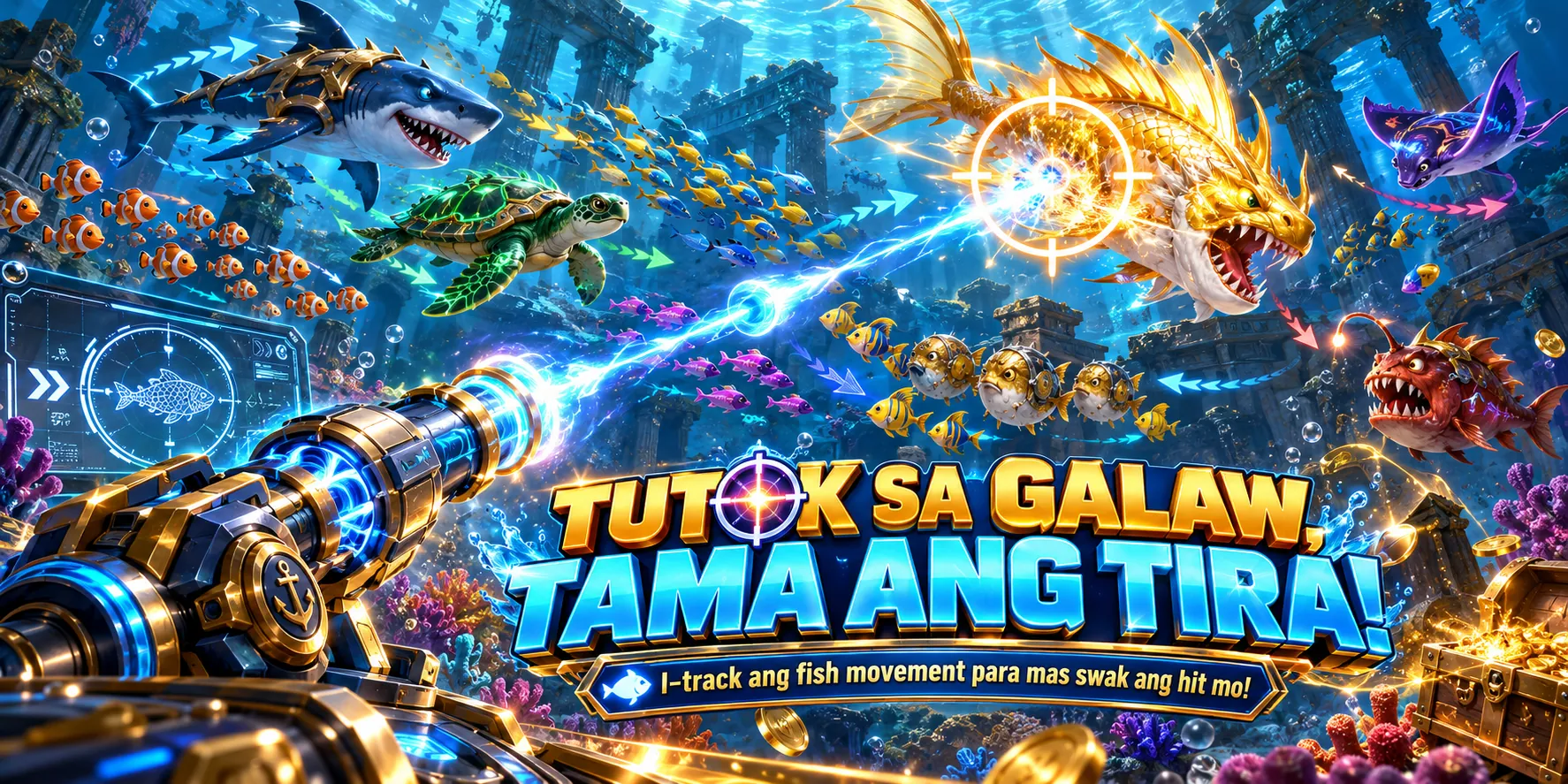
Fishing games feel more skilful than reels because you aim, fire and choose targets. That interactivity is real — but it applies to how you play, not to whether the game pays. The result of each shot is resolved by the game’s rules and random number generator.
There is no “best time” to play, no lucky room, and no firing pattern that changes the RNG. Increasing your weapon level after a dry spell, switching tables or shooting faster does not make a payout more likely — it usually just changes how quickly you spend.
You can check the in-game information panel for the game’s RTP (a long-run theoretical figure), bet limits, target values and feature rules. Those details are the honest guide to how a title behaves.

06 / ON YOUR PHONE
Playing on a phone.
Fishing games run in a mobile browser with touch controls: drag to aim, tap to fire, and use the on-screen buttons for weapons or skills. Many players prefer landscape mode, which gives the reticle more room and keeps the fire button under a thumb.
Heavier animations use more battery and mobile data, and a busy screen can make small targets harder to track. If a game offers a practice or demo mode, it is a good place to learn the controls before spending.
Keep your device locked when you are not playing, and never share your account, password or payment details with anyone. This site and the games are for adults aged 21 and over.

07 / GET STARTED
From the lobby to your first shot.
- Create and verify your account. Registration and identity checks happen on the official platform. You must be 21 or older and eligible to play. The getting-started guide covers the first steps.
- Deposit with GCash or MAYA. The minimum WJ2 deposit is ₱100. Follow the GCash guide or the MAYA guide for the exact steps.
- Find a fishing or arcade game. Browse the lobby, then open the game and check its cost per shot, target values and rules before you fire. Availability of titles and providers can change.
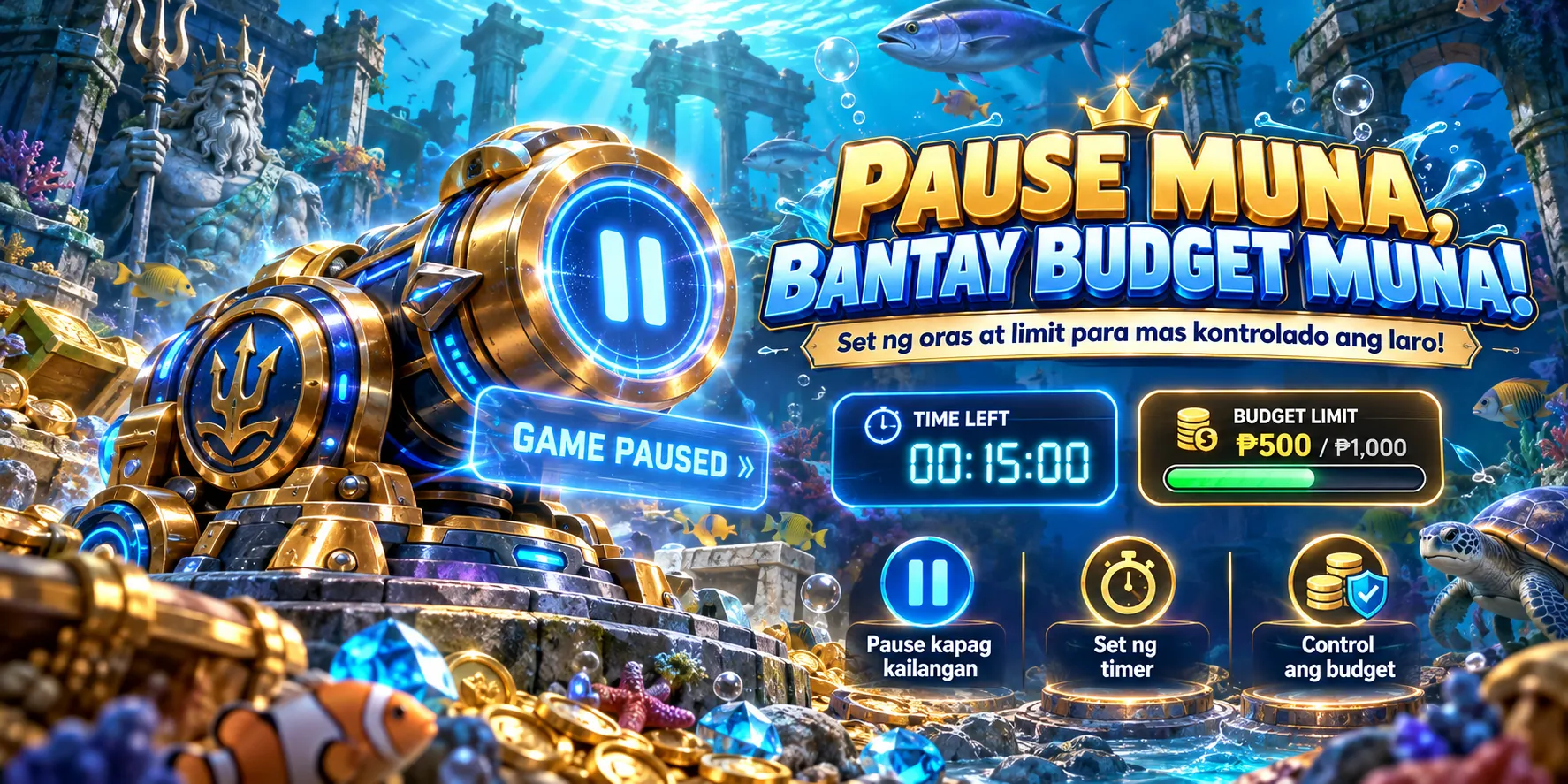
- Set a budget and a time limit. Decide what you are comfortable spending and when you will stop — before the first shot, not after a dry spell.
The featured games page describes the three titles highlighted on this site, and the Help & FAQs page covers payment and account questions.
08 / PLAY WITH LIMITS
Keep fishing games as entertainment.
Fishing games can spend faster than reels because shots are quick and continuous. Set a spending limit and a time limit before you start, and keep them separate from money you need for everyday costs. Never borrow to play or chase a big target.
If play stops feeling controlled, use the account tools for deposit limits, cooling-off or self-exclusion, and talk to someone you trust or a support service. The responsible gaming page lists official guidance and support options in the Philippines.
Gambling is entertainment, never a way to earn or recover money. Fishing themes and boss targets are part of the game’s presentation — they do not change the outcome of a shot.
09 / QUICK ANSWERS
Fishing questions, answered.
Are fishing games the same as slots?
Not quite. Fishing and fish-shooting games are interactive: you aim at moving targets and fire, and each shot costs a set amount. The result of a hit is still decided by the game’s rules and random number generator, so aiming does not guarantee a payout.
How do fishing games decide what a catch pays?
Every target has a value in the game’s paytable, and each shot has a cost. When a target is hit, the game applies its rules and RNG to decide the outcome. Target values, shot costs and any multipliers are shown inside the game.
What is cost per shot and why does it matter?
Cost per shot is the amount deducted each time you fire. It is the fastest way to track spending in a fishing game: if a shot costs ₱5 and you fire 200 times, that is ₱1,000 in shots before any result is counted.
Do bigger fish always mean better results?
No. Higher-value targets such as bosses are usually rarer and may need more shots or stronger weapons. A long stretch without one does not make it “due”, because each shot is resolved independently under the game’s rules.
Can I play fishing games on my phone?
Yes. These games run in a mobile browser with touch controls — aim and tap to fire. A larger screen or landscape mode can make aiming easier, and heavier animations use more battery and data.
Do weapons and upgrades cost extra money?
Weapon levels, skills and items are part of the game’s own rules. A stronger weapon usually increases the cost per shot, which comes out of your balance. Whether anything beyond your balance is required is shown in the game and in the platform’s terms.
Are fishing games legal in the Philippines?
Gambling in the Philippines is regulated, and only licensed operators may offer it. This WJ2 website is an information and guide site; account creation and gameplay happen on the official platform. Check the operator’s licence details and confirm you meet the 21+ requirement before you play.
What should I do if I keep chasing a big catch?
Stop the session, take a break and set a spending or time limit. If chasing continues, use the account restriction or self-exclusion options and contact a support service. Fishing games are entertainment, never a way to recover money.